
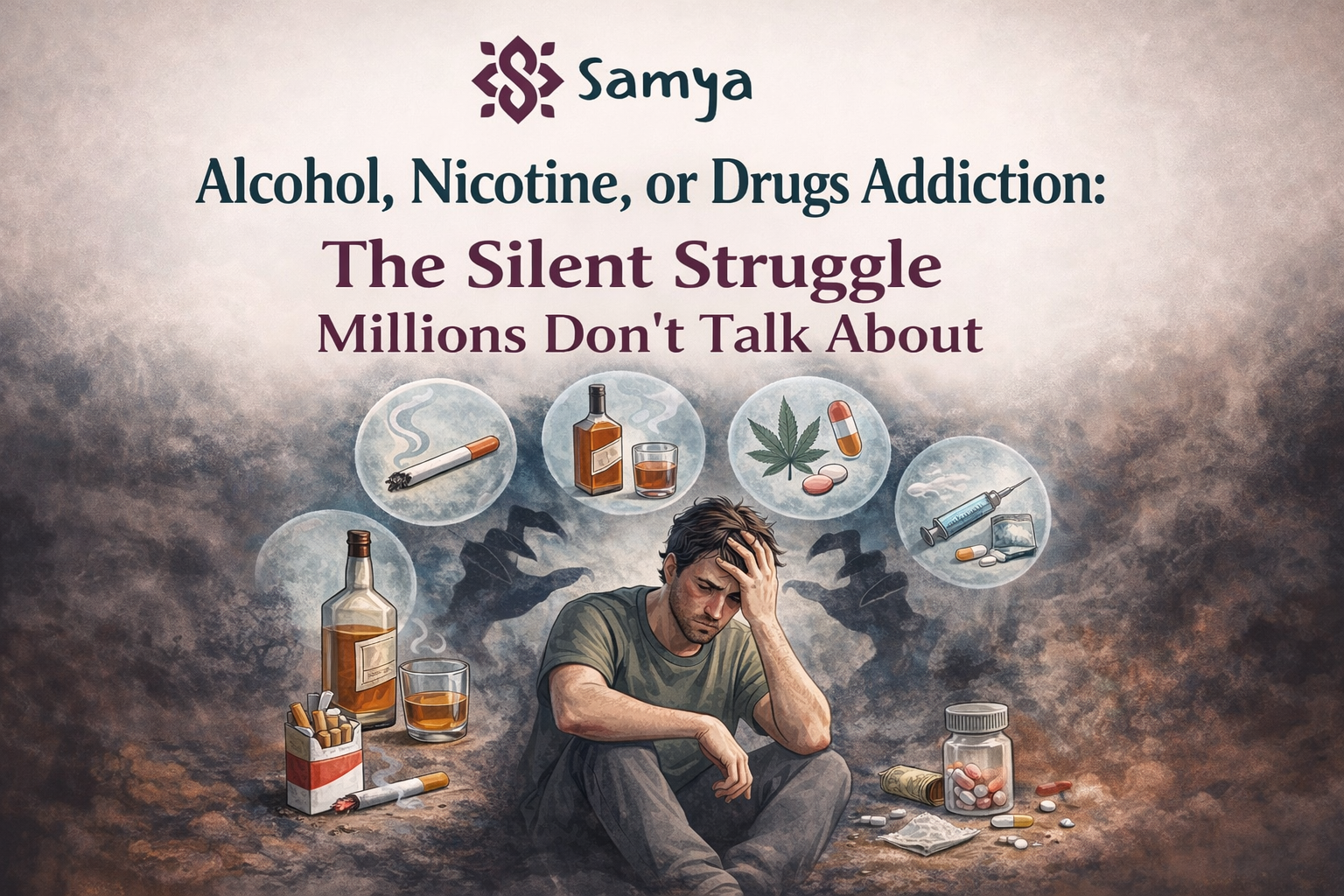
It often starts casually. A drink to unwind after work. A cigarette during a stressful break. A pill “just once” to escape emotional pain. But somewhere between habit and dependence, alcohol, nicotine, or drug addiction quietly takes control. What begins as a choice slowly turns into compulsion.
Across cities and small towns, families are battling the harsh reality of addiction. The conversation is no longer limited to extreme cases. Young professionals, college students, homemakers — addiction does not discriminate. The urgent need for addiction counselling has never been greater.
How Addiction Slowly Tightens Its Grip
Addiction rarely announces itself loudly. It creeps in. Alcohol becomes a daily need. Nicotine becomes impossible to quit. Recreational drugs become emotional crutches. Over time, the brain adapts, cravings intensify, and stopping feels unbearable.
This is where addiction therapy and structured substance abuse counselling play a life-changing role. Addiction is not simply about weak willpower. It is a complex mix of psychological triggers, stress, trauma, and chemical dependency. Professional drug addiction counselling helps individuals understand the root cause rather than just fighting the symptoms.
Many people search for “addiction counselling near me” only after relationships begin to suffer or health reports show alarming signs. But early intervention through alcohol addiction counselling or online addiction counselling can prevent long-term damage.
The Emotional Toll Behind Closed Doors
Families often carry the silent burden of addiction. Parents blame themselves. Partners feel helpless. Children grow up confused. The emotional stress can be as damaging as the physical harm caused by alcohol, nicotine, or drug addiction.
Professional addiction counselling provides not just recovery support for individuals but also guidance for families. Through substance abuse counselling, loved ones learn how to respond without enabling destructive behaviour.
In today’s digital age, online addiction counselling is making recovery more accessible. People who hesitate to walk into a clinic can now seek addiction therapy privately from their homes.
Why Addiction Is More Than a Habit
There is a common misconception that quitting is just about determination. But addiction changes how the brain functions. Cravings, mood swings, anxiety, and withdrawal symptoms make quitting extremely challenging without support.
This is why drug addiction counselling and alcohol addiction counselling are structured processes. They involve behavioural strategies, coping mechanisms, and emotional healing. Effective addiction counselling focuses on rebuilding self-control while addressing triggers.
Alcohol Addiction: The Socially Accepted Danger
Alcohol addiction is often overlooked because drinking is socially normalised. Parties, corporate events, celebrations — alcohol is everywhere. But when social drinking turns into dependency, alcohol addiction counselling becomes crucial.
People struggling with alcohol dependency often hide their pain. They may appear functional on the outside, but feel emotionally trapped. Structured addiction therapy helps break this cycle safely, especially during withdrawal phases.
Searching for “addiction counselling near me” can be the first brave step toward reclaiming control.
Nicotine and Drug Addiction: A Growing Crisis
Nicotine addiction remains one of the hardest habits to break. Despite awareness campaigns, many individuals relapse without structured addiction counselling. Meanwhile, drug addiction is rising among youth, driven by stress and peer pressure.
Professional drug addiction counselling provides coping tools that go beyond simple detox. Combined with substance abuse counselling, individuals learn how to rebuild their lives step by step.
For those hesitant to visit centres, online addiction counselling ensures privacy and flexibility. Digital sessions have made addiction therapy more approachable for working professionals and students.
The Role of Addiction Therapy in Long-Term Recovery
Recovery is not a one-week process. It is a journey. Effective addiction therapy focuses on relapse prevention, emotional resilience, and building healthier routines.
Through regular addiction counselling, individuals learn to replace harmful habits with positive coping strategies. Whether it is alcohol addiction counselling or drug addiction counselling, consistent guidance increases the chances of sustainable recovery.
The stigma around seeking help often delays treatment. But choosing substance abuse counselling is not a sign of weakness — it is a sign of strength.
When to Seek Help
If alcohol, nicotine, or drug addiction begins affecting daily responsibilities, relationships, or mental health, professional intervention is necessary. Repeated failed attempts to quit are also strong indicators that addiction counselling is needed.
With the availability of online addiction counselling, help is no longer out of reach. Searching for “addiction counselling near me” can connect individuals to certified therapists and structured programs.
Addiction may feel overwhelming, but recovery is possible with the right addiction therapy and consistent substance abuse counselling.
FAQ:
What is addiction counselling?
Addiction counselling is a structured therapeutic process that helps individuals overcome dependency on alcohol, nicotine, or drugs through emotional and behavioural support.
Is online addiction counselling effective?
Yes, online addiction counselling offers flexible and private access to professional addiction therapy, especially for those unable to attend in-person sessions.
How does alcohol addiction counselling work?
Alcohol addiction counselling focuses on understanding triggers, managing withdrawal symptoms, and building healthier coping strategies.
What is the difference between substance abuse counselling and addiction therapy?
Substance abuse counselling addresses harmful patterns related to alcohol or drugs, while addiction therapy often includes deeper psychological treatment and relapse prevention.
How do I find addiction counselling near me?
You can search online directories, consult healthcare providers, or look for certified therapists offering addiction counselling near me in your area.
Final Thought :
Addiction does not define a person — it is a condition that can be treated with the right support and guidance. Whether it involves alcohol, nicotine, or drugs, seeking professional help is a courageous and life-changing decision. Addiction counselling and structured therapy provide more than recovery; they offer clarity, emotional healing, and renewed self-control. No one has to face this battle alone. With timely intervention, consistent support, and the willingness to change, recovery is not just possible — it is achievable. The first step toward healing can begin today.