
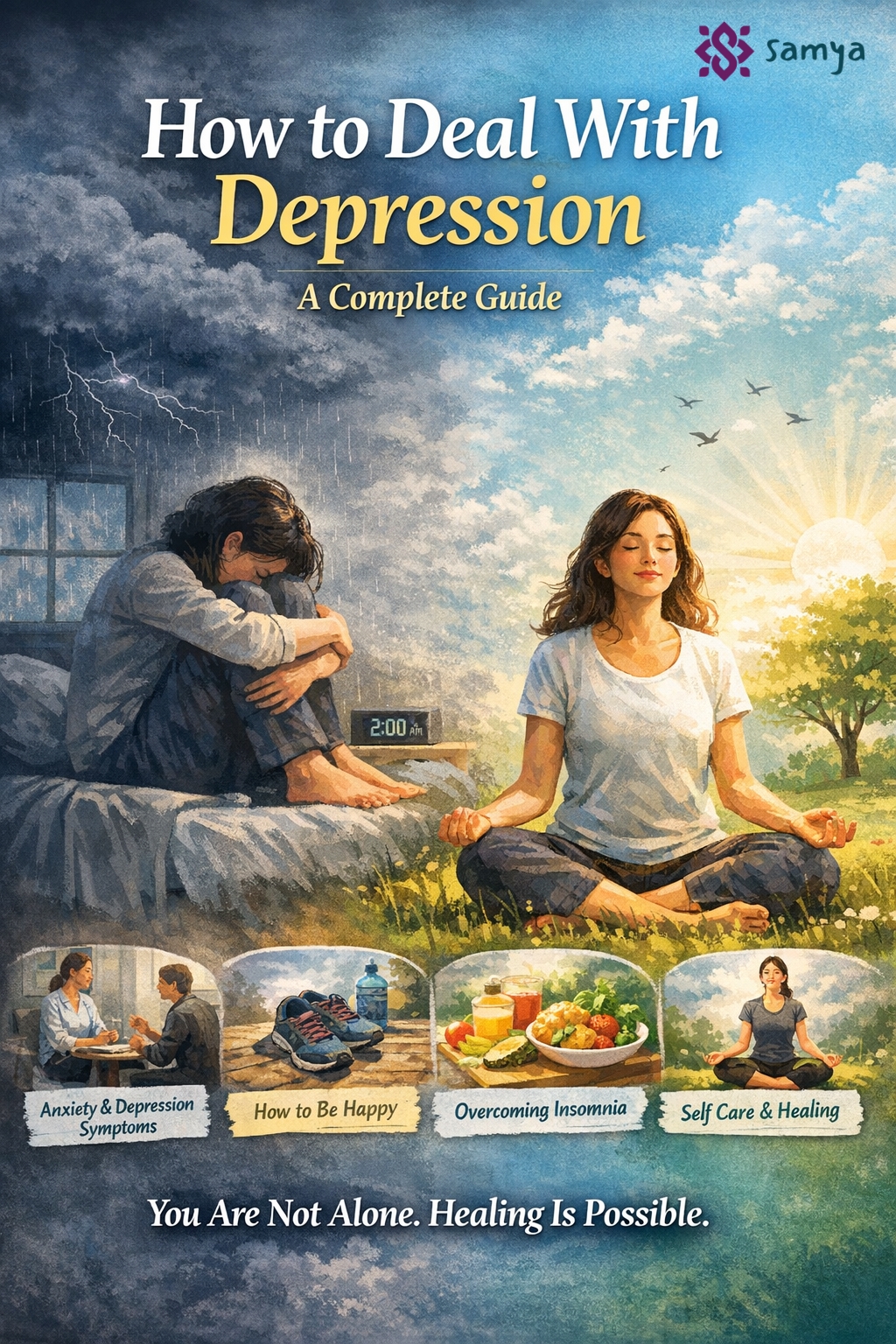
The Silent Struggle We Don’t Talk About Enough
There’s a strange thing about depression. It doesn’t always look like sadness. Sometimes it looks like silence, like cancelled plans, like "I’m fine" texts sent at 2 AM. In today’s fast-paced world, conversations around depression symptoms and anxiety symptoms are finally opening up,but many people still don’t know how to deal with depression in a real, practical way.
You might be dealing with loneliness and depression, struggling with insomnia causes, or noticing subtle signs of depression in your everyday life. The truth is, you’re not alone and more importantly, there are ways forward.
Understanding What Depression Really Feels Like
Depression isn’t just a bad day or a rough week. It’s a deeper emotional state that affects how you think, feel, and function. Some people experience constant fatigue, while others lose interest in things they once loved.
Common depression symptoms often overlap with anxiety disorder patterns. You might notice signs of anxiety, such as racing thoughts or even physical discomfort linked to anxiety attack symptoms. Sleep disturbances linked to insomnia causes are also very common.
Recognizing these patterns is the first step toward how to overcome depression and improve your overall well-being.
Why We Feel This Way: The Hidden Triggers
Depression rarely has a single cause. It’s often a mix of emotional, physical, and environmental factors. Work stress can lead to burnout symptoms, while isolation fuels loneliness and depression.
At times, unresolved trauma or constant pressure to "be okay" adds to the weight. Even lifestyle habits — poor sleep, lack of movement, or excessive screen time can worsen anxiety symptoms and delay depression treatment.
Understanding these triggers helps you take back control. It shifts the focus from "What’s wrong with me?" to "What can I do next?"
Simple Ways to Start Healing Today
If you’re wondering how to deal with depression, start small. You don’t need a perfect plan just a starting point.
Begin with routines. Even something as basic as waking up at the same time daily can improve mental health. Gentle activities like walking, journaling, or listening to calming music can help reduce emotional overload.
Practices like meditation for anxiety and mindfulness for stress are gaining popularity for a reason — they work. These techniques train your mind to slow down, making it easier to manage overwhelming thoughts and reduce anxiety.
And don’t underestimate human connection. Talking to someone you trust can ease the burden more than you expect.
The Role of Professional Help
Sometimes, self-help isn’t enough and that’s okay. Seeking professional depression treatment or anxiety treatment is a strong and necessary step.
Therapists and mental health professionals can guide you through structured approaches to help you understand your thoughts and behaviors. They can also help you identify deeper causes behind signs of depression and create a roadmap for recovery.
There’s no shame in asking for help. In fact, it’s one of the most powerful things you can do.
Lifestyle Changes That Actually Make a Difference
When people look for how to be happy, they often look for big answers. But happiness often comes from small, consistent changes.
Improving sleep patterns can address insomnia causes, while regular physical activity boosts mood naturally. Nutrition also plays a role what you eat can impact your mental state more than you realize.
Self-care is not a luxury. It’s essential. Building habits around self care for mental health helps stabilize emotions and gives you the strength to face difficult days.
Rewriting Your Inner Story
Depression often comes with a harsh inner voice. It tells you you’re not enough, not doing enough, or not worthy enough. Learning to challenge that voice is key to how to overcome depression.
Replace self-criticism with self-compassion. It won’t happen overnight, but even small shifts in thinking can change how you experience life.
You don’t have to fix everything today. You just have to take one step forward.
FAQs
What are the early signs of depression?
Early signs of depression include low energy, loss of interest in daily activities, changes in sleep patterns, and persistent negative thoughts.
How to deal with depression naturally?
You can start with lifestyle changes like exercise, meditation for anxiety, maintaining a routine, and focusing on how to improve mental health through small daily habits.
Can anxiety and depression happen together?
Yes, anxiety disorder and depression often overlap. Many people experience both anxiety symptoms and depression symptoms at the same time.
What causes insomnia during depression?
Common insomnia causes include stress, overthinking, and irregular sleep routines, often linked to both anxiety and depression.
When should I seek professional help?
If symptoms persist for weeks or interfere with daily life, seeking depression treatment or anxiety treatment is highly recommended.
Final Thoughts
Dealing with depression is not about quick fixes. It’s about patience, understanding, and taking consistent steps forward. Whether you’re trying to figure out how to deal with depression, reduce anxiety symptoms, or simply learn how to be happy, remember this—progress is possible.
Some days will be harder than others, but every small effort counts. Healing is not linear, but it is real. And you deserve it.
Feeling overwhelmed? You don't have to face this alone. Talk to a Samya therapist today — confidential, compassionate, and just a click away.