
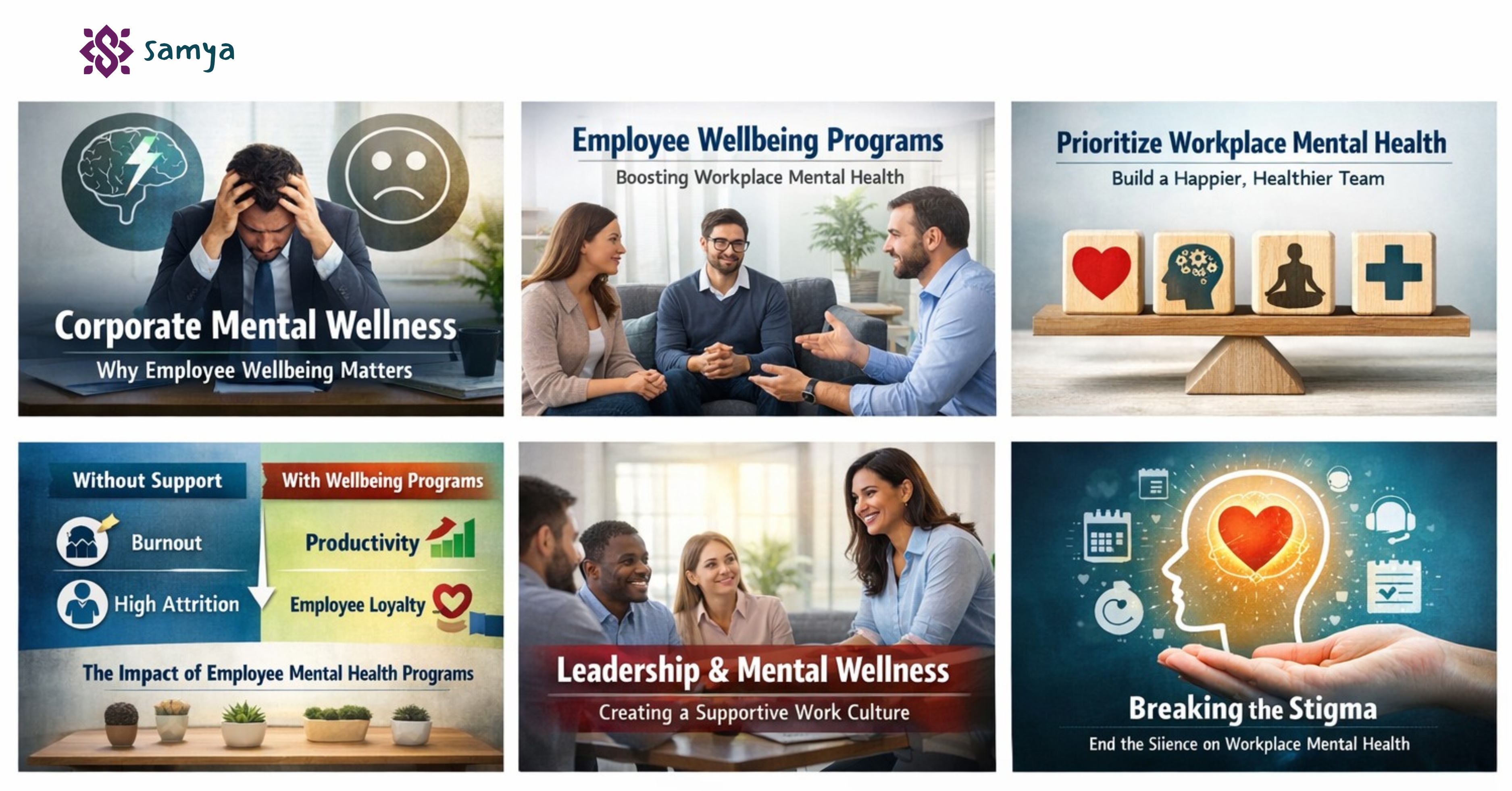
In today’s fast-paced corporate world, success is no longer measured only in profits and performance charts. It is measured in how people feel when they walk into work every morning. Corporate mental wellness has moved from being a “good-to-have” initiative to a boardroom priority. From startups to multinational giants, companies are realising that investing in employee wellbeing programs is not just about optics — it is about survival, sustainability, and human dignity.
The conversation around workplace mental health has grown louder in recent years. Burnout, anxiety, and silent stress have become common workplace companions. The question is no longer whether companies should care, but how deeply they are willing to commit.
The Changing Face of Corporate India
A decade ago, discussing stress at work was often brushed aside as weakness. Today, it is part of mainstream dialogue. Corporate leaders are slowly understanding that ignoring workplace mental health comes at a heavy cost — absenteeism, low productivity, high attrition, and disengaged teams.
The shift is visible. Many organizations are rolling out structured employee mental health programs as part of their larger employee wellbeing programs. These are not just HR checkboxes. They are becoming cultural commitments.
Employees are no longer satisfied with just salaries and perks. They want psychological safety, flexible work environments, and leaders who listen. Corporate mental wellness is about building that ecosystem where people feel valued beyond their KPIs.
Why Employee Wellbeing Programs Matter More Than Ever
The pandemic was a wake-up call. Remote work blurred boundaries between professional and personal life. Employees were constantly “online,” but emotionally drained. That period highlighted the urgent need for stronger employee wellbeing programs.
When organizations invest in structured employee mental health programs, they send a powerful message — “Your mental health matters.” This improves morale, trust, and loyalty. A workplace that prioritizes workplace mental health naturally builds stronger teams.
What Corporate Mental Wellness Actually Looks Like
Corporate mental wellness is not about motivational posters or one-time workshops. It is about creating systems that support workplace mental health every single day.
Effective employee wellbeing programs often include confidential counseling services, stress management sessions, flexible work policies, mental health days, and leadership training on emotional intelligence. Some companies also offer digital platforms as part of their employee mental health programs, allowing employees to access therapy or self-help tools discreetly.
But beyond policies, the real change happens when managers normalize conversations about stress and mental fatigue. When leaders openly talk about mental health, stigma begins to fade.
Breaking the Stigma Around Workplace Mental Health
One of the biggest barriers to corporate mental wellness is silence. Many employees hesitate to seek help because they fear judgment. This is where structured employee mental health programs play a crucial role.
By embedding mental health support within broader employee wellbeing programs, organisations make it easier for employees to reach out. When workplace mental health is discussed in town halls and team meetings, it becomes part of the company culture rather than a hidden concern.
Corporate India is slowly learning that vulnerability is not weakness. It is a sign of emotional maturity.
The Business Case for Employee Mental Health Programs
Let’s be honest — businesses respond to data. And the data strongly support investing in employee wellbeing programs. Companies that prioritize workplace mental health often report better engagement scores, higher innovation levels, and stronger employer branding.
Recruitment trends also reflect this shift. Job seekers actively look for organizations with structured employee mental health programs. Corporate mental wellness is becoming a competitive advantage in talent acquisition.
In a world where skilled professionals have options, companies that ignore workplace mental health risk falling behind.
Leadership’s Role in Corporate Mental Wellness
Policies alone cannot create a mentally healthy workplace. Leadership behaviour matters. When senior executives champion employee wellbeing programs, employees feel safe accessing available support.
Leaders must actively participate in awareness sessions and encourage the use of employee mental health programs. Open-door policies and empathetic communication strengthen workplace mental health initiatives.
Corporate mental wellness is not an HR responsibility alone — it is a leadership mindset.
The Road Ahead for Corporate India
The future of corporate success will be deeply linked with mental wellness. Organizations that embed employee wellbeing programs into their long-term strategy will build resilient teams. Those that invest in robust employee mental health programs will see stronger collaboration and innovation.
As conversations around workplace mental health grow, the hope is that mental wellness becomes as routine as annual performance reviews.
Corporate mental wellness is not about eliminating stress. It is about ensuring that employees never feel alone in dealing with it.
FAQs on Corporate Mental Wellness
What are employee well-being programs?
Employee wellbeing programs are structured initiatives designed to support physical, emotional, and psychological health. They often include mental health support, fitness initiatives, and flexible work policies.
Why is workplace mental health important?
Workplace mental health directly impacts productivity, employee satisfaction, and retention. Healthy employees contribute more effectively and stay longer with organizations.
What do employee mental health programs include?
Employee mental health programs may offer counseling services, therapy sessions, mental health days, stress management workshops, and digital mental wellness tools.
How can companies improve corporate mental wellness?
Companies can improve corporate mental wellness by investing in strong employee wellbeing programs, training leaders on empathy, and normalizing conversations around workplace mental health.
Are employee wellbeing programs expensive?
While there is an initial investment, employee wellbeing programs often reduce long-term costs related to attrition, absenteeism, and low productivity.
Corporate mental wellness is no longer a side conversation. It is a headline story shaping the future of work. The companies that understand this today will lead tomorrow.
Final Thought
Corporate mental wellness is not just a trend — it is a transformation in how organizations define success. Profits matter, but people matter more. When companies prioritize workplace mental health through meaningful employee wellbeing programs and accessible employee mental health programs, they build cultures rooted in trust and resilience.
The future belongs to organizations that understand one simple truth: healthy minds build healthy businesses.