
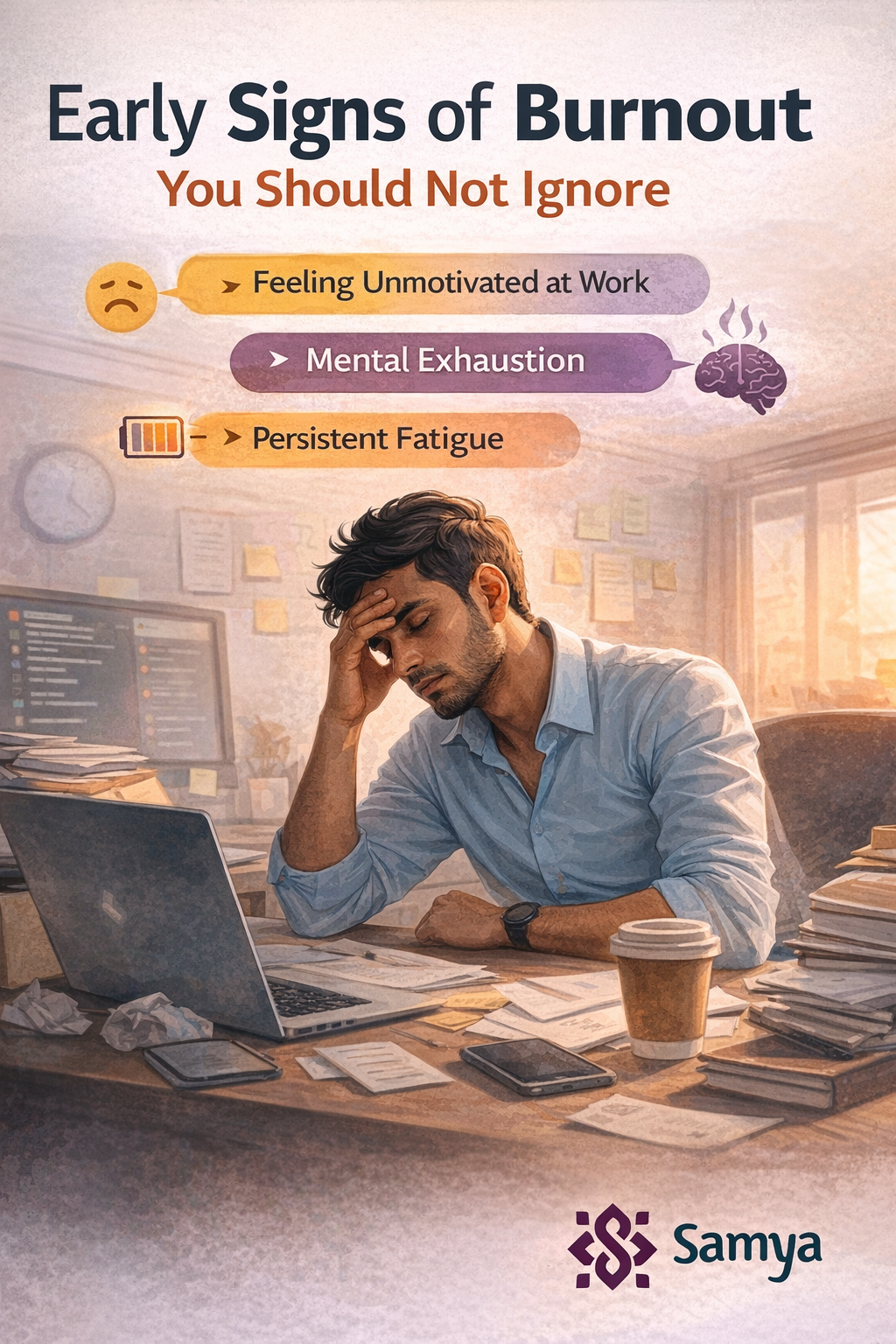
These days, work moves fast. Deadlines pile up, notifications keep buzzing, and the pressure to perform never really switches off. At first, it may feel like normal stress. But slowly, something changes. You start waking up tired, losing interest in tasks you once enjoyed, and experiencing constant mental exhaustion at work.
Many people ignore these early warning signals, assuming they just need a vacation or a weekend break. The truth is, burnout builds quietly. Recognizing the signs of burnout at work early can protect your health, relationships, and career. This is not just about being tired; it is about feeling drained emotionally, mentally, and physically for a long time.
Why Burnout Is Becoming So Common Today
Modern workplaces demand speed, productivity, and constant availability. Emails come late at night, meetings stretch beyond office hours, and the line between work and personal life keeps getting thinner. Over time, this pressure leads to burnout symptoms that many people fail to notice.
Employees often push themselves harder because they do not want to disappoint their team or manager. But ignoring the signs of job burnout can make the situation worse. Burnout does not happen overnight. It grows slowly, turning small stress into long-term exhaustion.
One of the earliest indicators is feeling unmotivated at work. Tasks that once felt exciting start to feel like a burden. Even simple responsibilities may seem overwhelming. This emotional shift is your mind asking for attention.
The First Emotional Signals Your Body Sends
Burnout usually starts with emotional changes before physical symptoms appear. You may feel irritated more often, lose patience quickly, or struggle to stay focused. These feelings are easy to dismiss, but they are often the earliest signs of burnout at work.
Another common signal is a constant sense of worry or dissatisfaction. Even after completing tasks, you might feel like you have not done enough. Over time, this emotional pressure turns into mental exhaustion at work, making it difficult to concentrate or make decisions.
People also notice a drop in confidence. They may start doubting their abilities, even when they are performing well. This emotional fatigue can slowly reduce productivity and job satisfaction.
Physical Changes That Should Not Be Ignored
Your body often reacts to stress before your mind fully understands it. Frequent headaches, body aches, and trouble sleeping are common symptoms of burnout. You might feel tired even after a full night’s rest.
Another warning sign is low energy throughout the day. You may rely heavily on caffeine just to stay alert. Over time, this constant fatigue can weaken your immune system and increase the risk of illness.
Digestive issues, muscle tension, and sudden changes in appetite are also common job burnout signs. These physical reactions are your body’s way of saying it needs rest and support.
How Burnout Affects Work Performance and Personal Life
Burnout does not stay limited to the office. It slowly spills into personal life, affecting relationships and overall happiness. People experiencing mental exhaustion at work often feel disconnected from friends and family. They may cancel plans, avoid conversations, or prefer to stay alone.
Work performance also suffers. Deadlines become harder to meet, creativity declines, and mistakes increase. Employees may feel stuck in a cycle of stress and frustration. This pattern can lead to serious career challenges if ignored for too long.
Recognizing these signs of burnout at work early allows individuals to take action before the situation becomes overwhelming.
Common Early Signs and What They May Indicate
|
Early Sign |
What It May Mean |
|
Feeling unmotivated at work |
Loss of interest and emotional fatigue |
|
Mental exhaustion at work |
Long-term stress without proper recovery |
|
Constant irritability |
Emotional overload and frustration |
|
Trouble sleeping |
Anxiety or ongoing work pressure |
|
Frequent headaches |
Physical response to stress |
|
Low productivity |
Reduced focus and energy |
|
Avoiding responsibilities |
Possible burnout symptoms |
This table highlights how small daily struggles can signal bigger issues. Paying attention to these patterns can help prevent long-term burnout.
When It Is Time to Seek Support
Many people believe they must handle stress alone. But burnout is not a sign of weakness. It is a sign that your mind and body need support. If you notice persistent job burnout signs, it may be time to seek professional help.
Talking to someone can provide clarity and practical solutions. A trained professional can help identify triggers, improve coping strategies, and restore balance. Today, it is easier than ever to talk to a therapist online, making support accessible from home or the office.
Seeking help early can prevent burnout from turning into anxiety, depression, or serious health problems.
Simple Steps to Prevent Burnout Before It Gets Worse
Prevention starts with awareness. Taking regular breaks, setting realistic boundaries, and maintaining a healthy routine can reduce stress significantly. Even small lifestyle changes can protect your mental health.
Sleep is especially important. Consistent rest helps the brain recover from daily stress. Physical activity, balanced meals, and time away from screens also support emotional well-being.
Most importantly, listen to your body. If you notice burnout symptoms appearing repeatedly, do not ignore them. Early action can make recovery faster and easier.
The Importance of Paying Attention to Yourself
Burnout is not just a workplace issue. It is a health issue that affects millions of professionals across industries. Recognizing the early signs of burnout at work can protect both your career and personal life.
If you find yourself constantly feeling unmotivated at work, struggling with mental exhaustion at work, or noticing other job burnout signs, it may be time to pause and reassess your routine. Small changes today can prevent bigger problems tomorrow.
Support is always available, and reaching out is a strong and responsible step toward better mental health.
FAQs
What are the most common signs of burnout at work?
Common signs include constant fatigue, reduced motivation, irritability, poor concentration, and frequent headaches. These are early burnout symptoms that should not be ignored.
Is feeling unmotivated at work always a sign of burnout?
Not always, but a persistent feeling of being unmotivated at work, combined with stress and exhaustion, can indicate that burnout is developing.
How can I recover from mental exhaustion at work?
Recovery usually involves rest, better work-life balance, stress management, and professional support when needed.
When should I talk to a therapist online?
If stress feels overwhelming, lasts for weeks, or begins affecting your health and relationships, it is a good time to talk to a therapist online.
Can burnout be prevented?
Yes. Recognizing early signs of job burnout, maintaining boundaries, and seeking timely support can prevent it from becoming severe.
If burnout is affecting your daily life, professional guidance can make a meaningful difference. Support from experienced counselors at Samya can help you understand stress, rebuild energy, and move forward with confidence.